Understanding the toll
There are various reasons as to why psychologists experience mental health issues, although compassion fatigue, burnout and self-care neglect are three of the major factors that contribute to psychologists having mental health issues.

Compassion Fatigue
Compassion fatigue happens when a psychologist or others such as take on what their clients are feeling especially due to when their clients have extreme stress or PTSD. Compassion fatigue can cause psychologists to feel it is challenging to find empathy for others especially patients, but to also experience burnout.
Compassion fatigue can be bettered when practice self-care, seeking help, creating a community of people who also feel this way, and more.
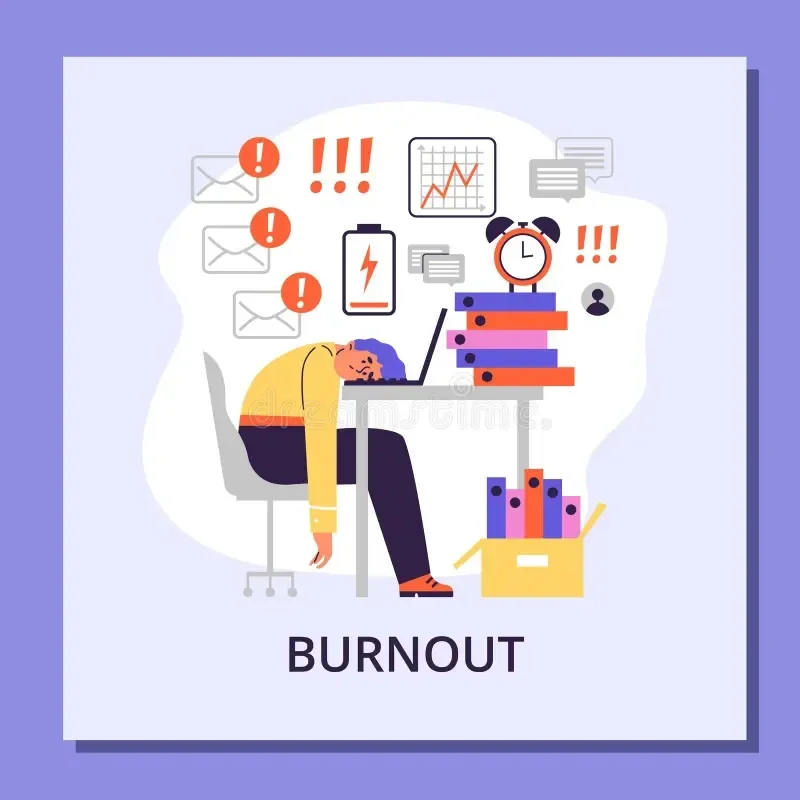
Burnout
According to a study published in 2024 by the APA, 36% of psychologists agreed or strongly agreed that they are feeling burnt out. Although, this statistic has greatly decreased since the Covid era when therapists where mostly greatly needed during lockdown with being in 2021 the percentage of psychologists being burnt out decreased by 47%.
Psychologists can help decrease and prevent burnout by not overworking themselves, creating a work-life balance, practicing self-care, maintaining healthy habits, taking psychotropic medications themselves if need, and going to therapy.
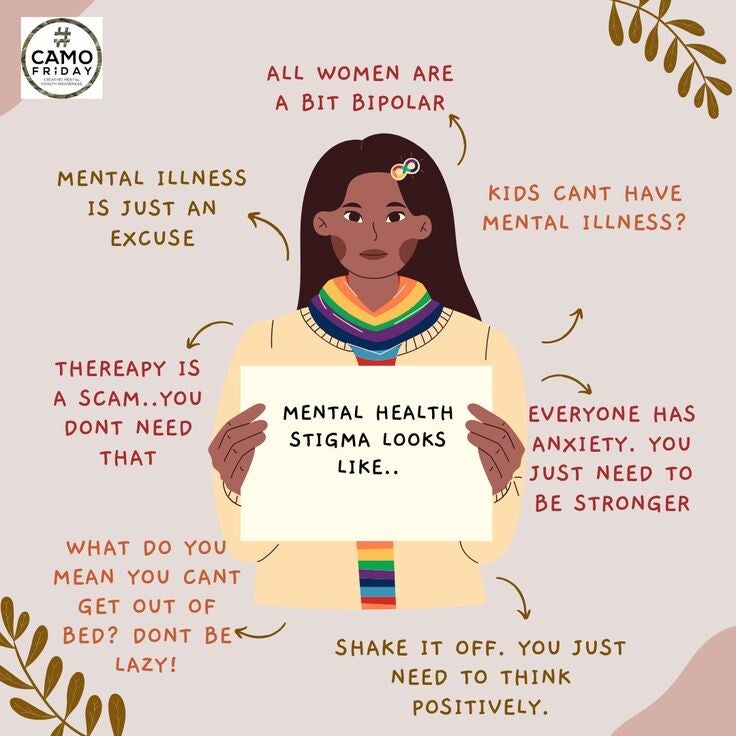
Stigma
There is already stigma surrounding mental health in this day and age for a regular person, but it is even worse for those working in the mental health scene. A study published in 2018 in the U.K., found that two-thirds of mental health professionals. Although, more interestingly enough in the study, the mental health professionals perceived mental health stigma was much greater than their external and self-stigma. Those in the study, stated that they feared they'd face negative consequences and receive shame if they discussed their mental issues, specifically getting in trouble with their workplace.
All of this information shows how much we as a world need to spread awareness it is okay for all to have mental health issues, even if you are the person giving help to those that are mentally sick.
Create Your Own Website With Webador